New DiBird mobile app is now available — iOS & Android
Better on the app — your life list in your pocket. Download DiBird free
Kakapo – New Zealand's Critically Endangered Flightless Parrot CR
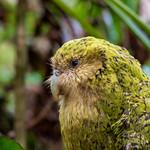
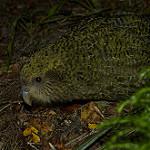
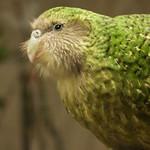
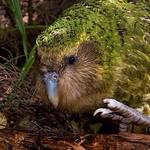
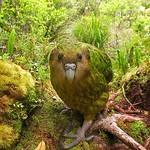
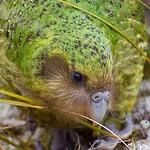
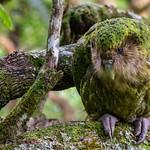
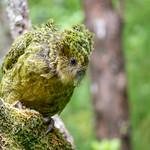
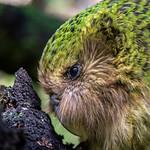
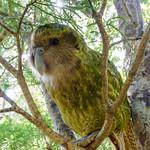
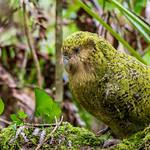
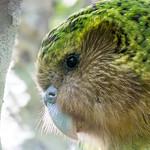
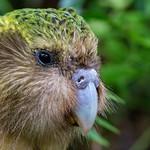
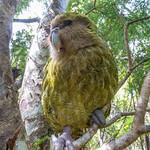
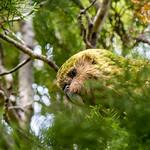
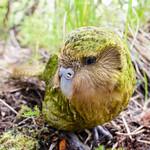
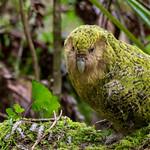
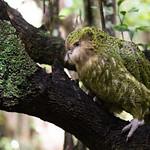
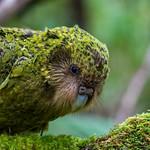
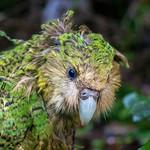
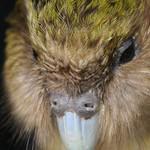
The Kakapo (Strigops habroptilus), also known as the owl parrot, is one of the most unique and fascinating birds in the world. Native to New Zealand, this nocturnal, flightless parrot is critically endangered, with only a small population surviving today. Kakapos are notable for their large size, soft mossy-green feathers, and distinctive owl-like face, making them a truly iconic species of New Zealand’s wildlife.
Kakapo Habitat and Range
Kakapos are found exclusively in New Zealand, mostly on predator-free islands as part of intensive conservation efforts. Their natural habitat includes dense forests and scrublands, where they feed on native plants, seeds, fruits, and roots. Historically, Kakapos roamed throughout the forests of New Zealand, but invasive predators led to their near extinction.
Kakapo Diet and Nocturnal Behavior
Being nocturnal, Kakapos are most active at night, feeding on leaves, seeds, berries, and fruits. They are known for their slow movement, strong sense of smell, and a highly specialized diet that varies seasonally. These unique dietary needs make Kakapos highly dependent on conservation programs to ensure food availability and survival.
Breeding and Conservation Efforts
Kakapos have a unique breeding system called “lekking,” where males gather in specific locations and call to attract females. Breeding is irregular and tied to the availability of certain fruits, such as rimu. Conservation programs, including the Kakapo Recovery Project, have been critical in preventing extinction, with scientists monitoring and hand-rearing chicks, controlling predators, and restoring natural habitats.
Where to See Kakapos
Because of their endangered status, Kakapos are rarely seen in the wild. The best chances to observe them are on protected islands managed by conservation authorities, including Codfish Island (Whenua Hou) and Anchor Island. Wildlife enthusiasts should respect guidelines to avoid disturbing these rare birds.
Frequently Asked Questions
How rare is the Kakapo?
The Kakapo is extremely rare, with only around 250 individuals currently living under strict conservation management.
Where can I see a Kakapo in New Zealand?
Kakapos are found on predator-free islands like Codfish Island (Whenua Hou) and Anchor Island, accessible only through guided conservation programs.
What do Kakapos eat?
Kakapos feed on leaves, seeds, fruits, and roots. Their diet depends on seasonal availability of native plants, such as rimu and kahikatea.
Why are Kakapos critically endangered?
The Kakapo population declined drastically due to introduced predators, habitat loss, and low breeding success. Intensive conservation efforts are now the only way to protect the species.
- Synonyms Owl Parrot
- Old latin name for bird Stringops habroptilus, Strigops greyii, Strigops habroptila, Strigops habroptilus
Kakapobird sounds *
Where to see Kakapo
- Breeding region Australasia
- Breeding subregion now mostly Codfish I. (=Whenua Hou, w of Stewart I.); formerly North, South and Stewart is. (New Zealand)
Species Name in Other Languages
| Language | Translation |
|---|---|
| Azerbaijani | bayquş tutuquşu, kakapo |
| Bengali | কাকামা |
| Catalan | kakapo |
| Chinese | 鸮面鹦鹉 |
| Chinese (Traditional) | 鴞鸚鵡 |
| Chuvash | какапо |
| Croatian | kakapo |
| Czech | kakapo soví |
| Danish | Uglepapegøje |
| Dutch | Kakapo |
| Esperanto | strigopa papago |
| Estonian | kakkpapagoi (kakapo) |
| Finnish | kakapo, pöllöpapukaija |
| French | Perroquet hibou, Strigops kakapo, Kakapo |
| German | Kakapo, Eulenpapagei |
| Hungarian | kakapó |
| Icelandic | Uglupáfi |
| Italian | Kakapo |
| Japanese | フクロウオウム |
| Kazakh | жапалық ара, какапо |
| Lithuanian | pelėdinė papūga |
| Maltese | kakapo |
| Maori | Kakapo, Ka-ka-po |
| Norwegian | Uglepapegøye, kakapo |
| Norwegian Nynorsk | Kakapo |
| Polish | kakapo |
| Portuguese | kakapo |
| Russian | Какапо (совиный попугай), совиный попугай, Какапо |
| Serbian | Kakapo |
| Slovak | kakapo sovovitý |
| Slovenian | Sovji papagaj, kakapo |
| Spanish | Kakapo |
| Swedish | kakapo, Ugglepapegoja |
| Tatar | ябалаксыман тутый кош |
| Turkish | Kakapu |
| Ukrainian | какапо |
| Uzbek | какапо |